How are you at multi-tasking? How are you at managing multiple projects?
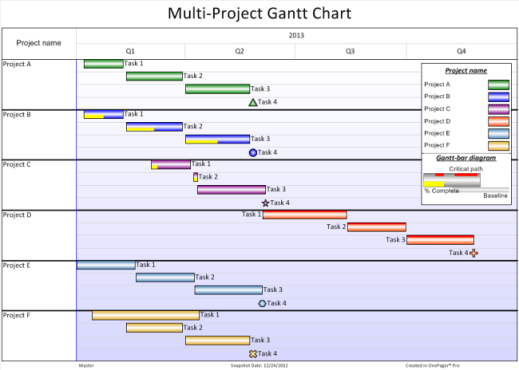
Whether it’s projects/tasks in your home, or whether it’s projects/tasks at your work, how you approach them should be the same, so here’s some tips for you when you’re asked to take on multiple projects:
- It can be frustrating and disappointing when someone tells you they have time to take on another project, but then fail to complete on schedule. So, if it’s you that’s been asked to take on another project, but you know you’ll be unable to deliver the project on time, say “No”. Realistically I realise saying “No” may not be an option for you, or you may be told that you have to take on the project despite your reservations. If this is the case, take the work on, and do your best…there’s more tips you can try, so keep reading!
- Remember it’s not about all the individual projects, it’s about the whole, the big picture. Think about how this new project fits into the big picture. Think about any opportunities this new project may give you to learn new skills and gain valuable experience. You may be having to take on extra work, but it may be in your interests to go the extra mile to get this project done!
- Yes, you’ve got other projects already on your desk, but remember just because you were already working on those other projects doesn’t mean you have to keep working on those projects and complete them before you start this new project. Remember it’s all about priorities! Talk to your peers, get a clear indication from them about the priorities associated with each of your projects, so you can plan and resource them according to the required priorities. i.e. Prioritise and plan.
- Review your projects regularly. Re-prioritise and re-plan if necessary, to try and ensure your projects stay on track and on schedule.
- Remember you don’t need to do everything yourself! It may seem like the best way to get the job done well and on-time, is to do it yourself, but think about all those projects/tasks you’ve got to manage/do…you can’t possibly do it all yourself, so delegate. By delegating, not only do you avoid overloading yourself, you also build up the knowledge and experience of your staff/team, so surely that makes delegating a win win situation!
I hope some of the above has helped you in some way. Many of these tips may seem obvious to you, but sometimes, when you’re stressed and overworked, thinking logically may be the last thing you do!
You may have coped with that one extra project, but don’t think you’ve succeeded as there may be another project just about to land on your desk, so make sure you’re ready to put the above tips into action to give you the best chance of successfully managing multiple projects.
Good luck!
 The Distinct Dot
Your chart shows that you’re managing 6 projects at a time. Wow!
I’m not sure a non-superhero project manager will be able to manage 6 projects at a time (this means that you’re essentially dedicating 5 hours for each project/week (at most).
Note that we did publish several posts on managing multiple projects, such as this one: http://www.pmhut.com/what-to-keep-in-mind-when-managing-multiple-projects .
LikeLike
Not sure you have really understood my blog post. Just because you have x number of projects running at the same time does not mean you they each need the same amount of the PMs time each week. As while they may need project management each week, that could be delegated by the PM for some projects or tasks to resources in their team.
It’s all about balancing workload, not just for resources in your team but also for yourself, the project manager.
LikeLike